Why Word Lists Aren’t the Answer: Helping Your Child Learn to Read Without the Overwhelm
Over the past few weeks, we’ve received so many emails from parents asking the same important question:
“Why is my child coming home with words/word lists to learn when they haven’t yet been taught the sounds?”
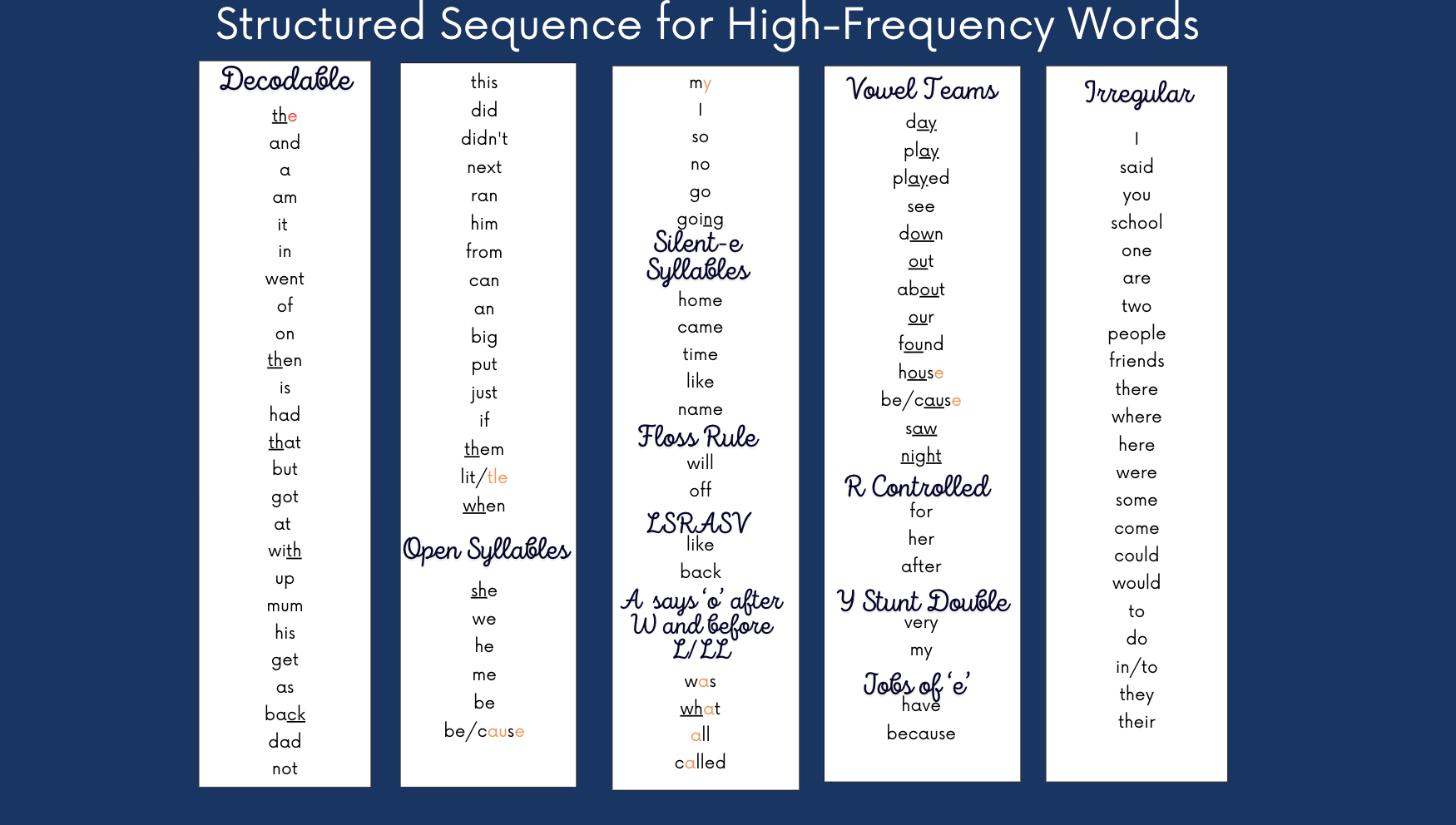
It’s a fair and valid concern — and one that many families share. Children are often being asked to memorise words like the, can, you, or even long lists of 100 High-Frequency Words before they’ve learned the phonics knowledge needed to read them. Let’s take a moment to unpack why this happens — and why it can sometimes do more harm than good.
🧠 The Whole-Word Trend (and Why It Doesn’t Work)
Learning “whole words” — sometimes called look and say or sight word reading — was a huge trend in the 1980s and 90s. The idea was that children could memorise how words look, rather than learning how to decode them using letter-sound knowledge.
While well-intentioned, research over the past few decades has shown that this approach doesn’t help most children become confident, independent readers. In fact, studies show that over 60% of children do not become fluent readers when taught primarily through memorisation or whole-word methods (National Reading Panel, 2000; Castles, Rastle & Nation, 2018).
That means the odds are stacked against your child if they’re being asked to memorise rather than decode. Memorising hundreds of words by sight overloads memory, creates confusion, and often leads to guessing — not true reading.
Unfortunately, some classrooms still rely on these old habits today, sending home word lists for children to “learn off by heart” instead of teaching them to unlock those words using a structured, step-by-step phonics approach.
📚 A Better Way: Systematic, Structured Phonics
The good news? We now know what works.
Children need to be explicitly taught how to connect sounds (phonemes) to letters (graphemes) through a systematic phonics program — one that moves from simple to complex, step by step.
For example, instead of memorising can and you as shapes on a page, children can be taught to sound out and blend:
/k/ /a/ /n/ = can
/y/ /oo/ = you
Once children understand this process, they can read hundreds of words — not because they’ve memorised them, but because they’ve learned the code.
This is where structured literacy programs shine. They don’t rely on guesswork — they build confident, capable readers step by step.
❤️ Protecting Your Child’s Confidence
If your child feels overwhelmed, worried, or anxious about being tested on long lists of words they can’t yet read — please speak up.
You are your child’s advocate.
No child should feel like a failure at reading at age 5, 6, or 7 — especially when the issue isn’t ability, but approach. Children learn best when teaching matches how their brains learn to read, not when they’re asked to memorise what they don’t yet understand.
💬 Final Thought
Reading should be joyful, logical, and empowering.
If your child’s school is still sending home long lists of “tricky words” to memorise, ask how these fit into a systematic phonics program. The goal shouldn’t be to memorise 100 words — it should be to understand how words work.
Because when children are taught why words are spelt the way they are, they don’t just learn to read — they learn to think like readers.
📘 Want to Support Your Child the Right Way?
If you’d like to learn how to help your child read and spell with confidence — without endless word lists — download our High-Frequency Words Parent Pack (Pack 1) from ParentEd NI.
It includes clear teaching tips, word practice sheets, and QR-code access to a guided teaching video so you can learn with your child, not just test them.

